




*Calls for harmonised standards, increased refining capacity, regional investment
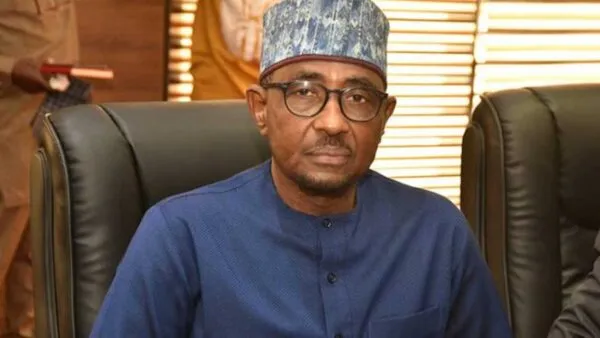
Engr. Farouk Ahmed, pioneer Chief Executive of the Nigerian Midstream and Downstream Petroleum Regulatory Authority (NMDPRA), has called for the transformation of OTL Africa Downstream Energy Week into a continental platform to harmonise petroleum standards, expand refining capacity, and promote cross-border trade across Africa.
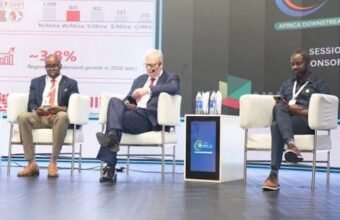
Ahmed said the annual industry gathering, which marked its 20th anniversary on Monday in Lagos, could deepen regional cooperation and make investment decisions easier by bringing regulators, operators, financiers, and other stakeholders together to address common challenges.
Speaking during an interview at the event, he said OTL should build on its two decades of industry engagement by expanding beyond its Nigerian base to accommodate broader African interests, particularly in product quality, refining, infrastructure development and cross-border petroleum trade.
He said the platform could help African countries develop a more integrated downstream petroleum market in which the continent’s crude oil is refined and consumed within the region.
He said the expansion of refining capacity in West Africa, including the emergence of the Dangote refinery and modular refineries, presents an opportunity to harmonise standards and strengthen regional energy security.
“It’s an opportunity for us to harmonise our standards, to be producing crude oil in West Africa and refining in Africa and consuming in Africa,” he said.
Ahmed noted that the growing presence of refineries in Nigeria and other West African countries had created opportunities for regional collaboration, investment and improvements in petroleum product supply.
He said the industry needed to address infrastructure deficits and regulatory differences that could constrain the movement of petroleum products across national borders.
The former regulator described OTL as a one-stop platform where industry stakeholders could exchange information, explore business opportunities and develop strategies without travelling separately to different countries to build contacts.
He said the gathering had recorded considerable progress over the years, pointing to increased participation, stronger investment prospects and greater clarity in the regulatory environment.
“If you look at OTL maybe 10 years ago, not even 20, 10 years ago, you see the participation now is very robust,” he said.
Ahmed attributed the development partly to improved engagement between industry operators and regulators, noting that consultation had become increasingly important in addressing operational difficulties and building confidence among investors.
He said regulatory authorities needed to maintain open channels of communication with stakeholders, particularly businesses directly affected by new rules and policies.
Citing the importance of consultations before introducing regulations, he said industry platforms such as OTL gave operators opportunities to explain the practical challenges they faced and regulators a chance to clarify their expectations.
In his goodwill message marking the anniversary, Ahmed also emphasised the need for predictable regulation, credible data, transparency and professional competence to sustain investment and growth in the petroleum industry.
He argued that effective regulation could not operate in isolation from the industry it served, adding that well-designed, consistently enforced rules provide the certainty required for investment and competition.
He also identified energy security, financing constraints, product quality, supply-chain efficiency, infrastructure gaps and environmental sustainability as major challenges confronting Africa’s downstream petroleum sector.
He said addressing these challenges will require stronger regional cooperation, investment in storage and distribution infrastructure, modern refining technology, and regulatory frameworks that encourage investment while protecting consumers.
Ahmed urged OTL’s organisers to move beyond discussions and exhibitions towards practical solutions, strategic partnerships and projects capable of delivering measurable improvements across Africa’s energy value chain.
He further stressed the importance of developing industry professionals and transferring institutional knowledge to younger generations of regulators, engineers and entrepreneurs.
The former NMDPRA chief executive said Africa’s energy future could not be built by regulators, operators or investors working independently, but would depend on sustained cooperation among all three groups.
He urged regulators to strengthen transparency and policy predictability, operators to improve efficiency and responsible business practices, and investors to provide the long-term capital required for industry development.
Ahmed, with more than four decades of experience in petroleum regulation and industry development, congratulated OTL on its 20th anniversary and urged stakeholders to use the milestone to renew their commitment to a more integrated, competitive African energy market.





No Comment! Be the first one.